
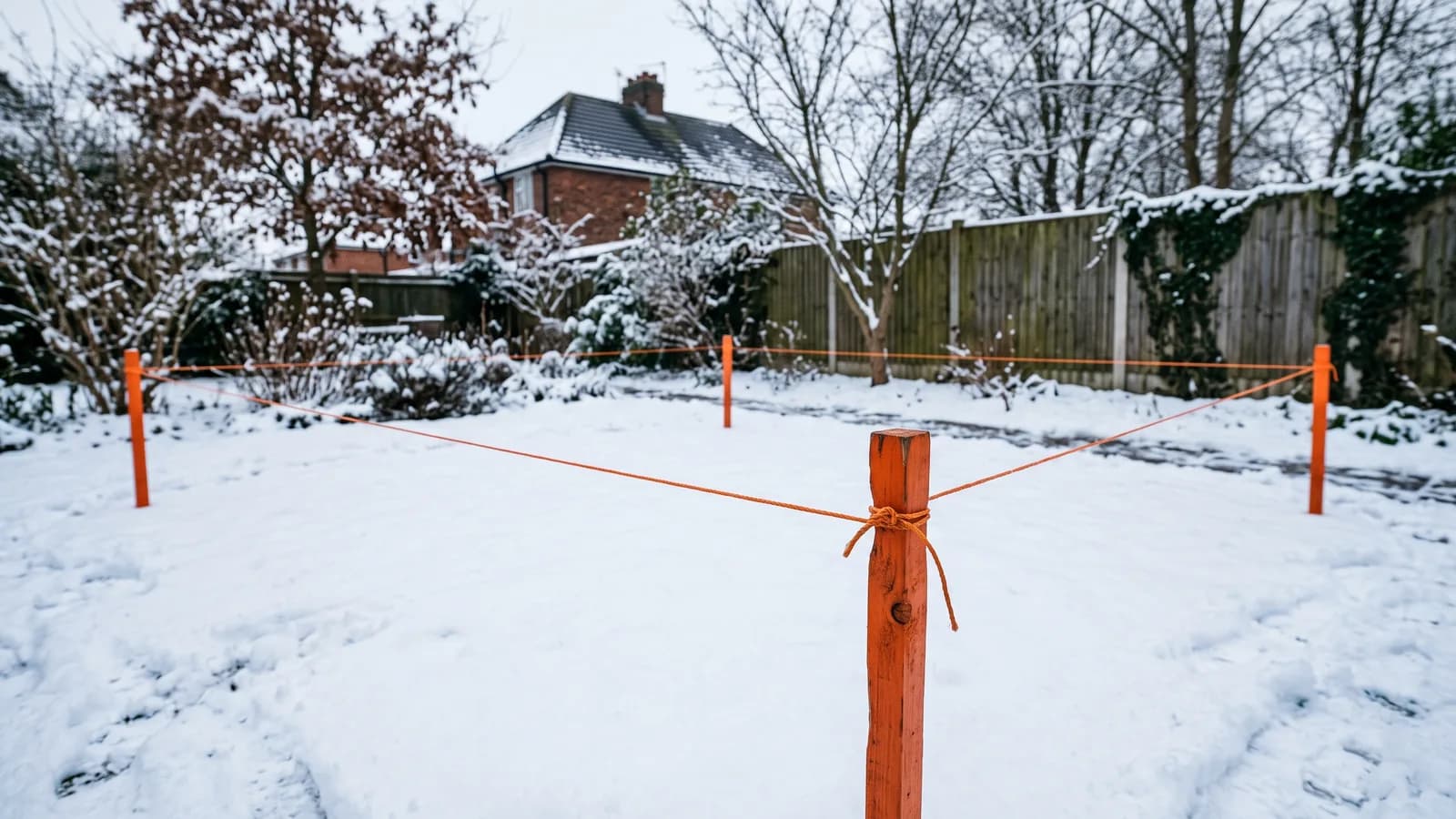
Winter looks like dead time for a category that installs outdoors, and many dealers pull back on marketing right when a serious subset of buyers is actually researching and planning next year's backyard project indoors, away from the yard itself. Going quiet during that window hands a competitor an open field at exactly the moment a committed buyer is ready to start the conversation.
Why winter is the best time to fill the spring calendar
A homeowner who wants a pergola in place by early summer often starts thinking about it months ahead, over the holidays, during a planning session with a spouse about home projects for the coming year, or while browsing backyard ideas on a snowed-in weekend. That buyer is not ready to break ground in January, but they are genuinely ready for a design conversation. A dealer who treats winter as dead time misses the exact window when that buyer's interest is forming and still shapeable.
What off-season buyers are actually doing
The winter research phase also tends to involve more people than a spring inquiry does. A homeowner browsing in January often pulls in a partner, sometimes an adult child helping with research, and occasionally a landscaper or deck builder already working on a related part of the yard. A winter design consultation that speaks to that wider group, not just the single form-filler, tends to travel further inside the household.
Winter research behavior looks different from spring urgency. Buyers browsing in January are comparing structure types, thinking through budget, and imagining how the space will get used, closer to the early stages covered in how buyers search before they even know the word pergola. They are not trying to book an install date this week. Marketing that assumes urgency at this stage, pushing a same-season discount or a limited-time install slot, mismatches where the buyer actually is in their thinking and can come across as pressure rather than help.
A showroom or a display model plays a bigger role in winter research than it does in spring, when a buyer can simply picture the finished product in a neighbor's yard. Without that reference point nearby, photos and a design conversation carry more of the weight, which is exactly why the winter sales conversation benefits from slowing down and walking through material samples, roof mechanisms, and past project photos in detail rather than rushing toward a number.
Offers that make sense before installs can even start
The offer that works in winter is not an install discount, it is something that makes sense before ground can even be broken: a free design consultation, an early-booking reservation on a spring crew slot, or a locked-in price that protects the buyer from any material cost changes between now and their eventual install date. Each of these gives the buyer a reason to act now without asking them to commit to a start date the weather will not allow for months.
Say a dealer offers a guaranteed early-May install slot to anyone who books a winter design consultation and finalizes a contract by a set date. That kind of offer rewards exactly the behavior a dealer wants, early commitment, without pretending the ground can be broken any sooner than the season allows.
- Free winter design consultation. No cost to sit down and work through placement, structure, and roof options before spring booking opens up.
- Reserved early-season install slot. A specific spot on the crew calendar, held in exchange for a signed agreement during the off-season window.
- Price protection through the winter. A locked number that will not move even if material costs shift before the install actually happens in spring.
An early booking is worth more than an early discount
Keeping the pipeline warm until ground-break season
A winter lead who books a design consultation still needs a cadence that carries them through several months before an install crew ever shows up. That gap is exactly what pacing decisions around the spring surge and fall shoulder need to account for, since a strong winter pipeline changes how much fresh spring lead volume a dealer actually needs to hit capacity. A showroom visit or a look at display models during the off-season also gives a winter lead something concrete to engage with while the yard itself sits under snow or frost, keeping the relationship active instead of dormant for months at a stretch.
What an off-season landing page should say differently
A landing page built for peak-season urgency, emphasizing limited install availability and pushing toward an immediate booking, reads oddly in January. An off-season page should instead lead with planning language: design options, financing information, and a clear explanation of how early booking secures a better spot on the spring calendar. The call to action shifts accordingly, from “book your install” to something closer to scheduling a design consultation, which matches what a winter visitor is actually ready to do.
Regional timing matters here too. A dealer in a milder region of the United States may see meaningful install activity even in late winter, while a dealer further north or across much of Canada is working with a genuinely frozen ground season that stretches the planning window even longer. The winter messaging should reflect the dealer's actual climate rather than a generic seasonal template.
Ready to talk numbers on your own pipeline?
On the strategy call, we'll lay out the plan we'd run for your business and talk through how it fits your market.
Final thought
Winter is not dead time for pergola marketing, it is planning time for the buyers most likely to book early and fill the spring calendar before competitors even start advertising again. Offer something that fits where a winter buyer actually is, a design consultation and a reserved slot rather than an install discount, and keep the pipeline warm through the months before ground-break season, and spring starts with a calendar already forming instead of starting cold.
Tagged