
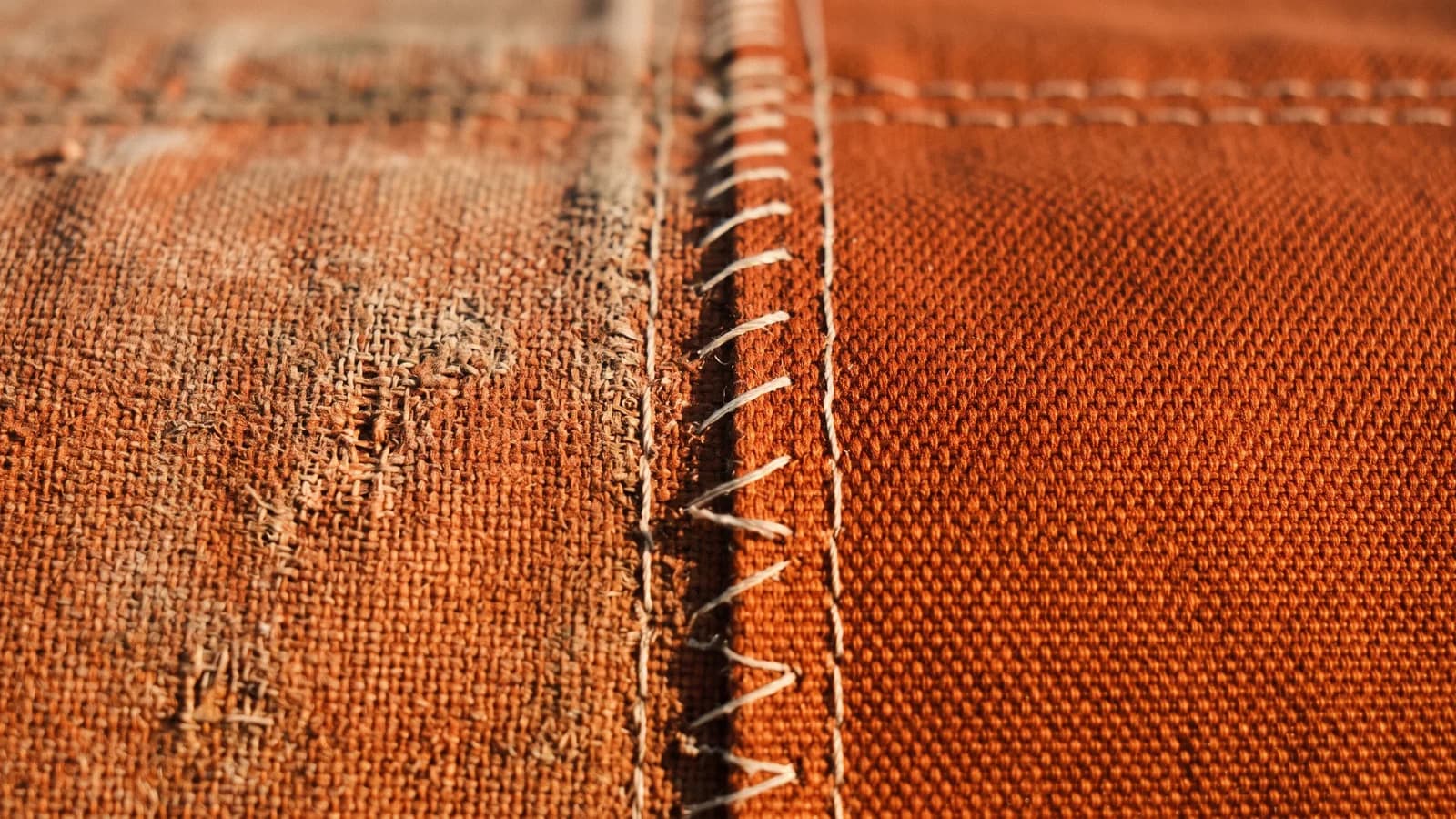
Two concerns show up in nearly every awning consultation: will the fabric fade within a few seasons, and can the structure actually survive a serious storm. Both are grounded in something real, most homeowners have seen a neighbor's awning with sun-bleached fabric or a bent frame after a bad windstorm, so brushing past either concern with a quick reassurance reads as evasive rather than confident.
Why these two objections come up in almost every consultation
Fading and wind damage are the two failure modes a homeowner can actually picture happening to their own home, because they have likely seen a visible example somewhere in the neighborhood. That makes these objections different from more abstract concerns in other trades, they are not hypothetical worries, they are specific images a homeowner already has in mind before the consultant even starts talking. Answering with specifics rather than general reassurance is what actually addresses the concern instead of just talking past it.
Answering the fading fabric concern with specifics, not reassurance
A vague promise that “the fabric will not fade” does not hold up against a homeowner who has seen exactly that happen next door. A stronger answer walks through what actually causes fading, prolonged ultraviolet exposure breaking down dye and fiber over time, and how modern fabric treatments are built specifically to resist that process far longer than older, untreated materials. Being direct about the fact that all fabric changes gradually over enough years of sun exposure, while modern treatments push that timeline out considerably, is more convincing than a flat denial that any fading happens at all.
Showing rather than just describing helps too. A fabric sample kept outdoors for comparison against a fresh one, or a photo pairing a faded panel from an older job with a current sample, gives the homeowner something concrete to judge rather than taking the consultant's word for it. Care and orientation matter as well, and it is worth mentioning plainly that an awning facing intense, direct southern exposure through a long summer will show more change over time than one that gets a mix of sun and shade through the day, so the honest answer depends partly on where the awning will actually sit.
Answering the wind damage concern
Wind damage is usually the more urgent fear, since a torn fabric panel or a bent frame after a storm feels like a safety issue, not just a cosmetic one. The honest answer distinguishes between a fixed awning, which is built to handle a defined range of conditions by design, and a motorized retractable unit, which depends on being retracted before conditions exceed what it can handle.
Regional weather patterns are worth naming honestly here too. A homeowner in a region that regularly sees strong summer storms is asking a more urgent version of this question than one in a milder climate, and treating both conversations identically misses a chance to speak directly to what that specific homeowner has probably already experienced firsthand.
How sensor technology removes the human error factor
Most wind damage to a retractable awning traces back to a human error moment, nobody retracted it before conditions turned, rather than a flaw in the product itself. A wind sensor removes that risk by retracting the unit automatically once wind speed crosses a threshold, whether or not anyone is home to notice the weather changing. Framing the sensor as the direct answer to this specific fear turns a genuine safety concern into one of the strongest reasons to choose a motorized unit over a manual one, rather than treating the sensor as a minor convenience feature.
Name the concern before answering it
When to bring up warranty terms as supporting evidence
Warranty terms work best as evidence after the material explanation, not as a substitute for it. Once a homeowner understands why modern fabric resists fading and how a sensor prevents most wind damage, the specific warranty coverage on fabric and frame reinforces that the dealer and manufacturer stand behind the claims just made, rather than functioning as the entire answer on its own. Choosing between a retractable and a fixed awning often comes down to exactly this tradeoff, a fixed structure built to handle conditions passively versus a retractable unit that depends on being managed correctly, and that decision is easier once both objections have already been addressed honestly.
This entire conversation matters more when it happens with a homeowner who is actually ready for it, which is part of why qualifying an inquiry before the consultation is worth doing well. A rushed conversation with someone still deciding whether they even want a consultation is a poor setting for a careful answer to a real concern.
It is worth training every consultant to answer both objections the same way, rather than leaving the response to whoever happens to be in the room that day. A consistent answer, backed by the same material facts and the same sensor explanation every time, builds a dealer's reputation for straight talk across every consultation, not just the ones handled by the most experienced salesperson on staff.
Ready to talk numbers on your own pipeline?
On the strategy call, we'll lay out the plan we'd run for your business and talk through how it fits your market.
Final thought
Fading fabric and wind damage are not objections to talk past, they are the two questions a homeowner is actually asking before they commit to a visible, permanent addition to their home. Answering both with specifics, material facts on fading, sensor technology on wind, and warranty terms as supporting evidence rather than the whole answer, turns two of the most common stalls in awning sales into two of the easiest opportunities to build genuine trust.
Tagged