
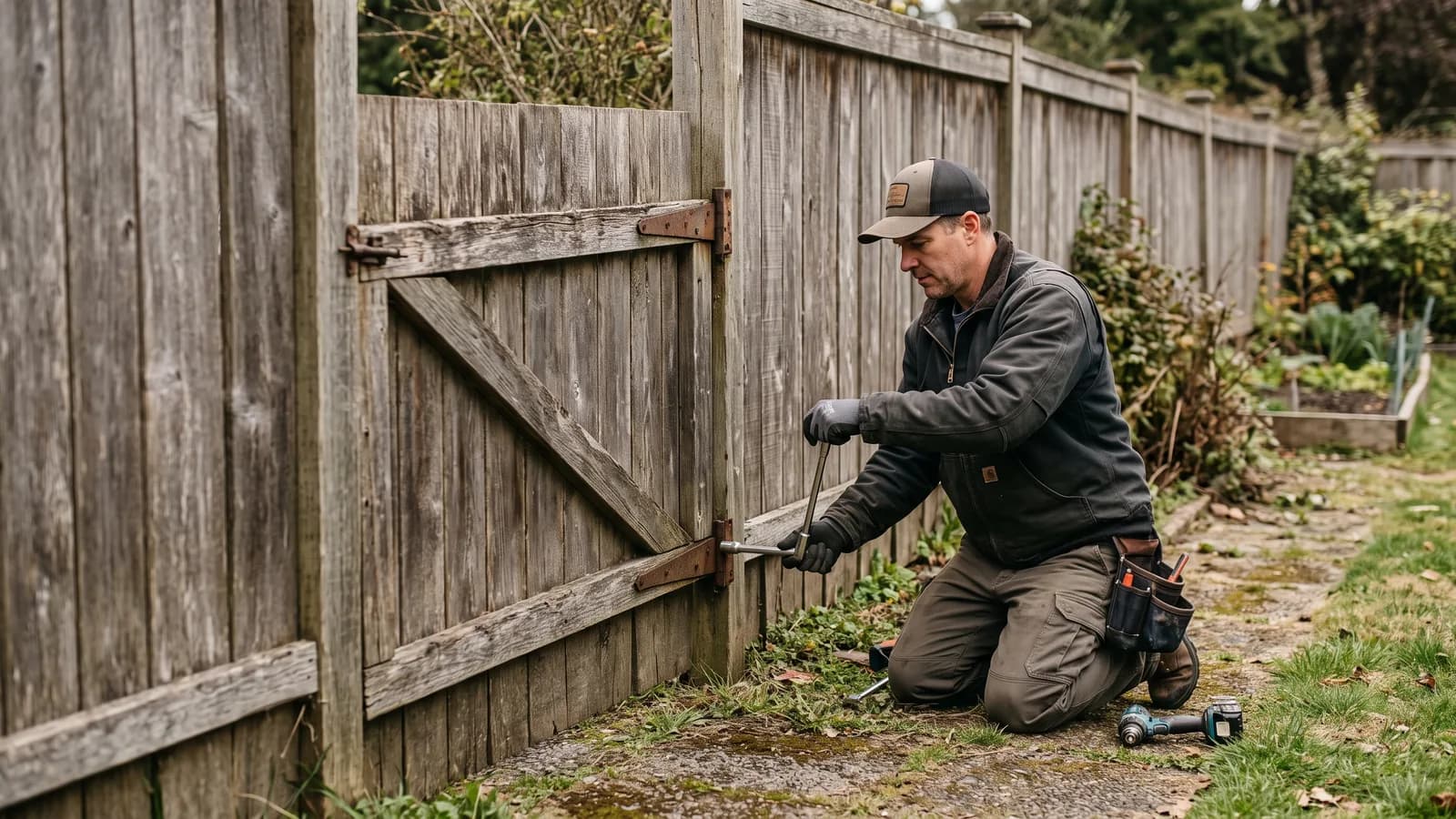
A warranty call is the one appointment on the calendar that cost nothing to generate. The homeowner already hired the company once, already trusts the crew enough to let them back in the yard, and the visit is already scheduled. Treated as a service obligation to close out fast, that visit is pure overhead. Treated as a scheduled touchpoint with a real customer, it is one of the cheapest revenue opportunities a fence business has, and most shops walk past it every week.
Why a warranty visit is the cheapest revenue opportunity available
Every other lead a fence contractor generates carries an acquisition cost, ad spend, a sales visit, time spent building a quote that may or may not close. A warranty repair call carries none of that. The relationship already exists, the address is already on file, and the crew is already standing in a yard where the company's work is visible and, ideally, still holding up well. That combination, trust plus proximity plus zero acquisition cost, does not exist anywhere else in a fence business's funnel. The mistake is measuring the warranty department purely on how fast tickets close, which optimizes for the wrong number and leaves real opportunity sitting in yards the crew already drove to.
What to look for beyond the original complaint
The original complaint, a sagging gate, a loose panel after a windstorm, a post that has started to lean, is the reason for the visit, not the whole story. Fences age visibly and unevenly, wood weathers at different rates depending on sun exposure, vinyl can yellow near a section that catches more afternoon light, and hardware corrodes faster on a gate near a sprinkler head than on one across the yard. A crew standing at the back property line to fix one section can see the condition of the whole perimeter in the time it takes to walk the yard, and that view is worth more than most sales visits because nobody is watching the clock.
Adjacent fence lines, aging gates, and automation opportunities
A few things worth a genuine look on every warranty stop:
- A side yard that was never fenced. Plenty of homeowners fenced the backyard first and never got around to the side that connects to it, especially if a pet or a pool arrived after the original install.
- A gate that is manually operated but heavily used. A driveway gate opened by hand several times a day is a natural candidate for automation, and the homeowner may not know it is an option until someone standing at the hinge mentions it.
- A neighboring section showing early wear. Wood that is graying unevenly or hardware that is starting to corrode on a section next to the one being repaired is worth a mention now, before it becomes its own emergency call in two years.
None of this requires a pitch. It requires a crew trained to notice and a simple habit of mentioning what they see in plain language on the way out. A crew member does not need to know pricing or close a sale on the spot, they only need to say what they saw, the way they would mention a loose board to a friend, and let the office turn that observation into a follow-up conversation later.
Train the notice, not the pitch
Asking for a review or referral without overreaching
A warranty visit is also a legitimate moment to ask for a review, but only after the repair is done and the homeowner has confirmed they are satisfied with it. Asking before the fix is finished, or stacking a review ask on top of an upsell mention in the same breath, reads as opportunistic and can undercut both asks. Timing the review request to a specific, recognizable moment applies here just as much as it does after a new install, a gate that finally swings properly again is its own small milestone worth referencing directly. A referral ask works the same way: a simple “if a neighbor ever needs something like this, we'd appreciate the introduction” costs nothing and lands better coming from someone who just fixed a real problem for free or at a fair price.
Building warranty visits into a repeat revenue routine
None of this works as a one-off reminder taped to a clipboard. It works as a routine: a short checklist the crew runs through on every warranty stop, a simple field note back to the office describing anything noticed beyond the original complaint, and a defined follow-up owner who turns that note into an actual phone call within a few days while the visit is still fresh. Because gate automation priced as a clear add-on is one of the more common outcomes of this routine, having that conversation ready to go, rather than improvised on the spot, shortens the distance between a crew member noticing something and a second contract getting signed. Measured against the true cost of acquiring a lower-ticket fence job any other way, a warranty-sourced upsell or referral is about as close to free revenue as this trade gets.
Ready to talk numbers on your own pipeline?
On the strategy call, we'll lay out the plan we'd run for your business and talk through how it fits your market.
Final thought
A warranty call will always cost the crew's time and the material to make the repair right, that part does not change. What changes is whether the visit stops there or becomes the cheapest lead source a fence business has access to. A crew trained to notice, a simple note-back habit, and a follow-up owner who actually makes the call turn a routine service obligation into a quiet, repeatable channel that never shows up on a media plan and never needs to.
Tagged