
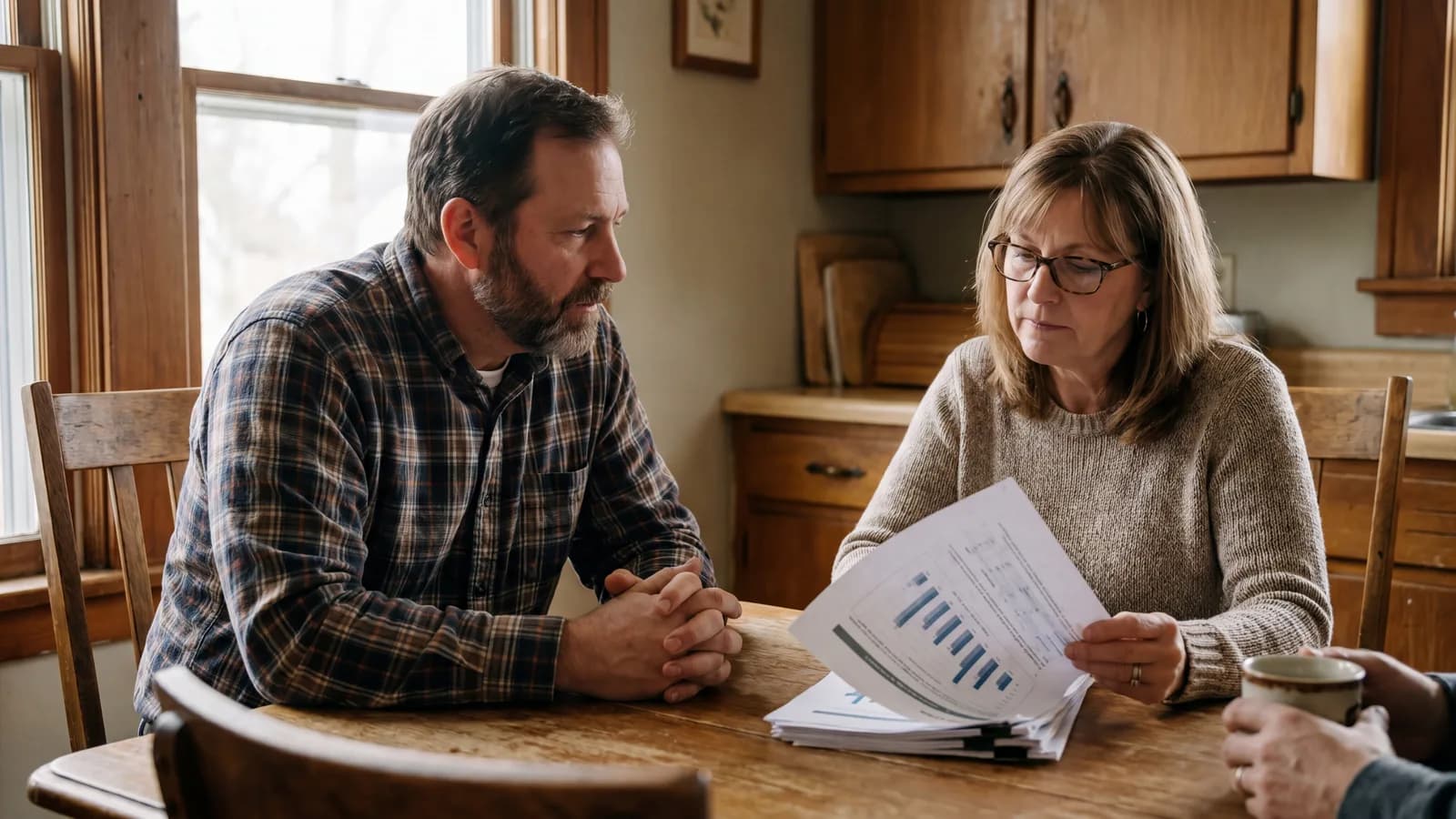
“I need to think about it” is the single most common objection on residential window replacement consultations. It's also the single most common point where signed jobs slip away. The phrase is rarely about thinking, it's an unspoken objection in disguise. The rep who hears it as a literal request for time-to-think loses the deal; the rep who treats it as a diagnostic puzzle often closes within the same conversation.
What “think about it” usually actually means
From thousands of recorded consultations, “think about it” almost always maps to one of six underlying concerns:
- Price discomfort. The dollar amount feels high and the buyer wants distance from the sales pressure to absorb it.
- Decision-maker absent. The spouse or financial partner needs to weigh in.
- Comparison-shopping. They want to get another quote before committing.
- Trust gap.Something didn't fully land, they're not 100% sure about the contractor, the product, or the install timeline.
- Financing uncertainty. They want to confirm budget or talk to a lender before committing.
- Polite escape.They've decided no but don't want to say it directly.
Each requires a different response. The default “take your time” reply collapses all six into the same outcome, schedule slip, attention cool-down, most don't close.
The diagnostic question that surfaces the real objection
The single highest-leverage move when you hear “need to think about it” is a calm, non-pushy diagnostic question. The phrasing matters:
“Totally fair, most people want to think on a decision like this. Just so I can be useful, what specifically is the part you're wanting to think about? The price, the product, the timing, or something else?”
Three things this question accomplishes:
- Validates the request (“totally fair”), removes defensiveness.
- Establishes a useful intent frame (“so I can be useful”), repositions you as a helper, not a pursuer.
- Forces a concrete answer (multi-choice format), most buyers will pick one rather than dodge.
The follow-up that confirms
Response patterns by underlying objection
If price discomfort
Don't discount. Re-anchor the value: “That makes sense. Just so we're comparing apples to apples, what amount were you expecting it to come in around? I want to understand whether we're close on numbers or far apart, and whether financing changes the math for you.”
Most price-discomfort buyers respond well to a financing re-frame: “If we move the conversation from full-amount to monthly, the recommended option works out to [monthly], does that change how you're thinking about it?”
If decision-maker absent
Get specific about logistics. “Got it, when do you expect to have a chance to talk it through? Tonight, tomorrow, this weekend? I'll give you a quick call Thursday morning to answer any questions that come up. Any good time to reach you?”
Anchor a specific follow-up call. Open-ended “I'll check back” produces a 20% close-after-callback rate; scheduled-day-and-time produces 50%+.
If comparison-shopping
Don't fight it; help them shop better. “Smart, I'd do the same. What I'd ask the other contractors you're seeing is: are they quoting the same glass package I just walked you through? Is their warranty as long as ours? Do they have their own install crews or do they sub it out? Just so you're comparing comparable products. Mind if I text you a one-page comparison checklist tomorrow?”
That checklist becomes a structured doc that anchors the comparison on criteria that favor quality contractors. You leave a structured artifact in the buyer's mind that does work for you across the next two weeks.
If trust gap
This is the hardest objection because the buyer can't usually articulate it. Diagnostic: “Is there anything about the company, the product, or the way I've walked you through it that's sitting weird with you? I'd rather know now than have you wonder later.”
That direct invitation often surfaces the unspoken concern: a doubt about install quality, a worry about warranty enforcement, an unease about the rep specifically. Address it directly. References, photos of recent work in the neighborhood, on-the-spot calls to past customers, written warranty terms, whatever closes the trust gap.
If financing uncertainty
“Got it, let's actually run the financing right now while I'm here. Soft credit pull only, tells us in five minutes what the monthly would be at the rate you'd qualify for. No commitment. Want to do that?”
Fast on-the-spot financing approval converts financing- uncertain prospects at much higher rates than “think about it and get back to me.”
If polite escape
The hardest to detect, but the diagnostic question usually flushes it: a buyer who genuinely wants to escape will decline to pick any of the four options or will give a non-answer. When that happens, the right move is to honor it: “Sounds like maybe this isn't a fit right now, that's totally fine. Mind if I ask what would have made it a yes? Just so I learn for next time.”
That gracious exit costs you nothing, often produces useful feedback, and occasionally, about 5-10% of the time, reveals a real concern the buyer was reluctant to bring up, which then becomes solvable.
The follow-up cadence for genuine think-time
For genuinely-undecided buyers (price discomfort or comparison-shopping who didn't close in the room), the follow-up cadence that recovers the most:
- Day 1 (same day): recap text + the comparison checklist + the specific next-call appointment time.
- Day 3: phone call at the agreed time. If voicemail, leave a substantive message and text immediately.
- Day 7: follow-up email with the proposal PDF reattached and one new piece of value (energy-savings calculator, manufacturer-rebate-deadline reminder).
- Day 14:direct text from the owner (different sender than the rep), “Owner here. Just want to make sure you got everything you needed. Anything we can clear up?”
- Day 30:last touch, “closing the file” soft-deadline message that often produces a last-call response from buyers who genuinely intended to decide and got distracted.
The 30-day follow-up payoff
The mistake that kills the most deals
Pushing too hard in the moment. The rep who hears “think about it” and responds with discount pressure or urgency tactics often kills the deal that would have closed with patient diagnostic questions. The buyer's defensive posture activates; the rep's pressure confirms the suspicion that the contractor was sales- first. The structured follow-up never gets a chance because the buyer has already mentally exited.
35-50%
Same-conversation close rate on 'I need to think about it' when the rep uses a diagnostic question + targeted objection response, vs. ~15-20% when the rep accepts the literal phrase and schedules an open-ended follow-up.
Ready to talk numbers on your own pipeline?
On the strategy call, we'll lay out the plan we'd run for your business and talk through how it fits your market.
Final thought
“I need to think about it” is the most expensive sentence in your business if you don't have a system for handling it. The diagnostic question isn't a manipulation, it's a service. Most homeowners with a real concern actually want help articulating it; they don't want to feel cornered, but they don't want to lose the chance to address what's blocking them either. Train your reps on this single sentence pattern and watch close rates compound. For more on the surrounding sales architecture, see the full in-home script architecture here.
Tagged