
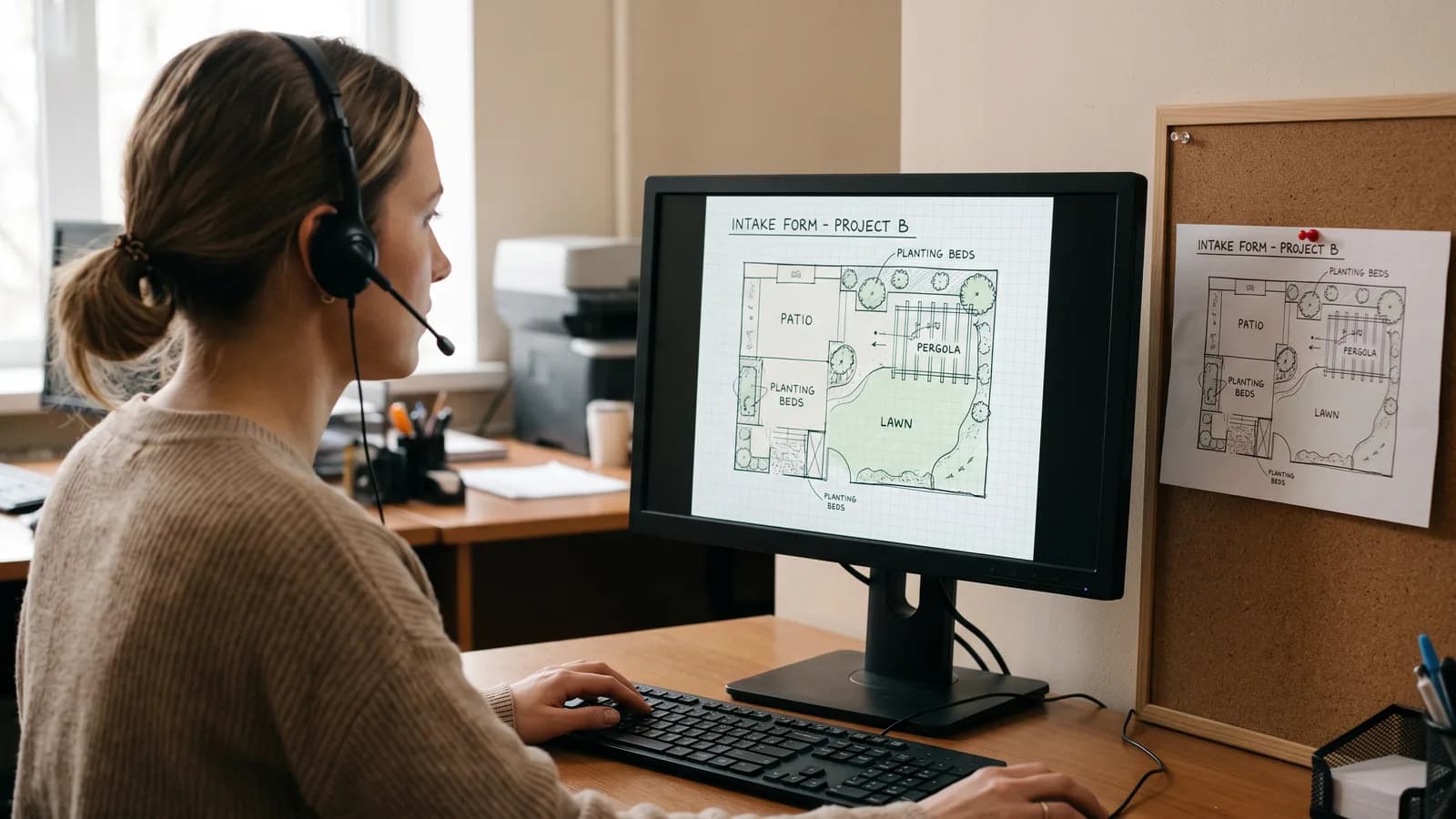
A cabana inquiry can come from a homeowner who already has a pool and wants a matching structure built beside it this season, or from someone years away from even deciding whether to put in a pool at all. Both fill out the same contact form. Sorting those two conversations before a consultation gets booked protects the calendar for the projects most likely to become signed work.
Why a Cabana Inquiry Needs More Context Than a Repair Lead
A leaking roof or a broken furnace is buildable for nearly anyone who calls, the only real question is price and timing. A cabana is different because the yard itself, the pool relationship, setback distances and homeowners association rules can make a project physically or legally impossible before a single design conversation happens. A qualification process built for a repair trade, where almost every inquiry converts into a workable job, misses the specific factors that determine whether a cabana inquiry is even buildable in the first place. Getting those factors on record before the phone call saves a design consultation from being spent on a lot that cannot support the structure the homeowner is picturing.
The Four Questions That Matter Most
Four pieces of information separate a ready buyer from someone still years out, and each one changes how the first conversation should go.
Existing Pool or Planned Pool Timeline
A homeowner with a finished pool wants the cabana to match materials already on site and usually wants to move within the current or next build season. A homeowner who has not started the pool yet is really asking a longer-term planning question, and the honest answer is often to stay in touch rather than book a full site consultation immediately. Knowing which conversation this is before the call avoids setting expectations that do not match where the project actually stands.
Yard Size and Setback Awareness
A cabana needs enough usable yard space beyond the pool itself, and it needs to sit within the setback distance a municipality allows from the property line. A homeowner who has never measured this, or who has a narrow lot with limited room beside the pool, may be picturing a structure the yard simply cannot hold at the size shown in the inspiration photo they saved. A quick question about lot size and approximate space beside the pool surfaces this before a wasted site visit.
Homeowners Association Status
Whether the property belongs to a homeowners association, and whether that association has an active architectural review process, shapes both the timeline and the design constraints from the start. A homeowner who does not know their association's rules is not a disqualified lead, but it is a flag worth raising early so the consultation can address it directly instead of discovering it after a design is already drawn.
Realistic Budget Range
A cabana, pool house or bar cabana build carries a wide price range depending on size, finish level and whether plumbing and electrical service is being added. Asking a homeowner to select a broad budget range, rather than an exact number, surfaces whether their expectations are in the same neighborhood as what the project actually costs, without turning the form into a price negotiation before anyone has met.
These are filters, not gates
Building These Questions Into the Intake Form
These four questions work best as short, plain-language fields on the intake form itself, not as a phone screen the homeowner has to sit through before anyone will talk to them. A dropdown for pool status, a rough lot size field, a yes or no on homeowners association status and a budget range selector take a homeowner less than a minute to complete and give the office enough information to route the call correctly. A defined lead quality standard built around these fields keeps intake consistent even as call volume grows. From there, how quickly the team follows up still matters just as much as the qualification itself, since a well-qualified lead that sits untouched for two days loses the same urgency a raw lead would.
- Route ready buyers to a full site consultation. Existing pool, workable lot, budget in range, book the in-person visit immediately.
- Route early-stage buyers to a nurture sequence. Pool not yet installed or budget clearly mismatched, keep them informed with design ideas and seasonal reminders instead of burning a consultation slot.
- Flag homeowners association and setback unknowns for the first call. Do not skip the lead, just make sure the rep opens with those questions before scheduling a site visit.
Done well, this intake routing is the difference between a pre-qualified appointment and a raw lead that still has to be sorted after the call is already booked. This routing is what a genuinely qualified on-site appointment is built on. The consultation itself still does real selling work, but it works best when the homeowner arriving at it is already a realistic candidate for the project rather than someone the team is still trying to determine is buildable at all.
Ready to talk numbers on your own pipeline?
On the strategy call, we'll lay out the plan we'd run for your business and talk through how it fits your market.
Final thought
A cabana lead is not qualified or unqualified in a binary sense, it is qualified for a particular stage of a particular conversation. Pool status, yard size and setback awareness, homeowners association status and a realistic budget range together tell the office which conversation this inquiry actually needs. Building those four questions into intake, rather than leaving them for the site visit to surface, protects consultation time for the homeowners most ready to move and keeps the rest of the pipeline warm until they are. The same four questions work whether the inquiry comes from a builder operating in the United States or in Canada, since the underlying project variables do not change at the border, only the specific permitting office and association rules attached to them.
Tagged